To support recovery as a hardgainer, focus on key micronutrients like Vitamin D, C, magnesium, zinc, and calcium because they help rebuild tissues, reduce inflammation, and improve strength. Eat plenty of leafy greens, colorful vegetables, lean proteins, and dairy to get these nutrients naturally. Timing matters—spread out your supplements and meals to maximize absorption. Prioritize whole foods first, then use supplements if needed. Keep exploring to find out how to tailor your nutrient plan effectively.
The Bottom Line
- Vitamin D, C, and zinc support tissue repair, immune function, and reduce exercise-induced inflammation.
- Magnesium aids muscle relaxation, recovery, and replenishes electrolyte balance.
- Iron is essential for oxygen transport and energy production during intense training.
- Omega-3 fatty acids reduce inflammation and promote joint and muscle health.
- Leafy greens and colorful vegetables provide antioxidants and micronutrients vital for recovery.
Why Micronutrients Are Critical for Hardgainer Recovery
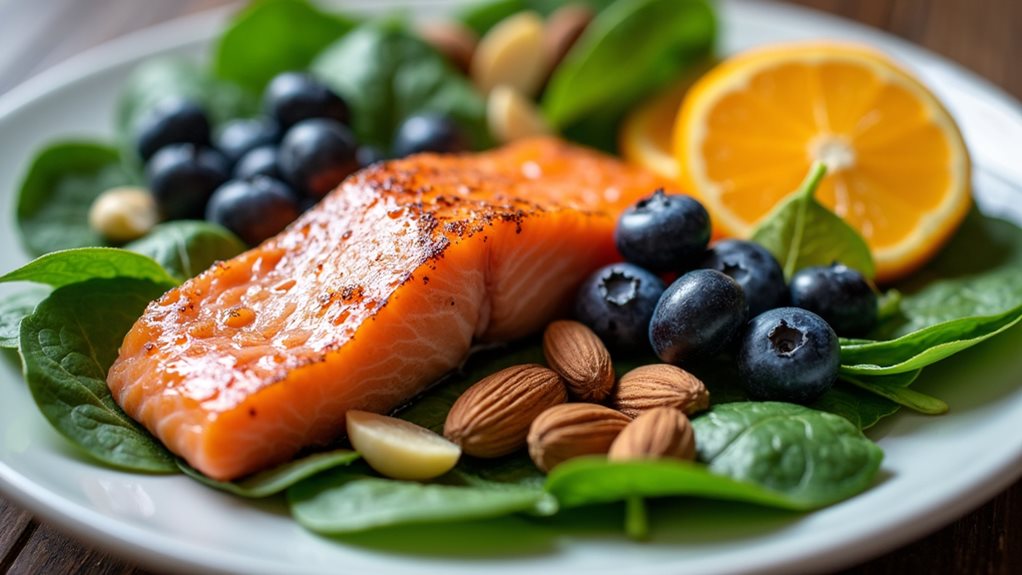
Micronutrients play an essential role in your recovery process, especially if you’re a hardgainer. Proper micronutrient absorption helps convert food into energy, which is crucial for recovery and growth. B-group vitamins support energy metabolism and red blood cell production, both critical after training. Magnesium aids neuromuscular function, preventing recovery bottlenecks. Iron guarantees oxygen delivery, especially when training hard and eating less. A balanced diet of fruits, vegetables, whole grains, and lean proteins keeps these nutrients available. Adequate micronutrient intake can also prevent deficiencies that impair muscle repair and immune function. Ensuring sufficient intake of these nutrients can also support overall nutrient utilization, leading to more effective recovery. When your micronutrient intake is sufficient, recovery time is optimized, and your body can rebuild stronger, faster, helping you reach your goals more effectively. Additionally, zinc and magnesium are particularly important for supporting muscle repair and recovery in hardgainers.
Top Micronutrients for Muscle Repair and Growth
To support muscle repair and growth, certain micronutrients are essential. Vitamins like D and C help rebuild tissues and reduce exercise stress. Adequate intake of these nutrients is especially important for athletes engaged in intense training. Ensuring sufficient levels of vitamin D can also improve bone health and overall physical performance. Minerals such as magnesium, zinc, and calcium play key roles in protein synthesis and muscle contraction. Ensuring you get enough of these nutrients can also support hormone production, which is crucial for muscle development and recovery. Additionally, omega-3 fatty acids have been shown to reduce inflammation and support joint health, which is particularly beneficial for ectomorphs training intensely.
Key Repair Nutrients
When it comes to rebuilding muscle after tough workouts, certain nutrients are key for recovery and growth. Vitamin D supports muscle protein synthesis and reduces inflammation, helping you recover faster.
Magnesium plays an essential role in muscle relaxation and energy production, especially when training hard.
Zinc is crucial for cell repair and immune health, which keeps you strong.
Vitamin C helps produce collagen, aiding in tendon and ligament repair.
To maximize benefits, focus on micronutrient absorption by timing your supplements around workouts. Taking these nutrients at the right times can enhance recovery, improve performance, and get you back to training stronger.
Supporting Hormone Production
Supporting hormone production is essential for muscle repair and growth, especially when you’re training hard. Proper hormone regulation depends on key micronutrients like vitamin D, zinc, magnesium, iron, and B vitamins.
These nutrients interact with your body’s systems to promote hormone balance and improve nutrient absorption. Vitamin D supports muscle function and reduces inflammation.
Zinc plays a role in hormone metabolism and cell repair. Magnesium helps with muscle contraction and recovery.
Iron guarantees oxygen delivery for energy, and B vitamins aid in hormone production and energy metabolism.
Together, these micronutrients create a solid foundation for muscle growth and faster recovery.
Best Food Sources to Support Muscle Recovery
To support muscle recovery, you should focus on eating nutrient-rich vegetables and fruits, which provide antioxidants and anti-inflammatory compounds. Including sources of protein like dairy and legumes helps rebuild muscle tissue effectively. Incorporating easy whey protein shakes as part of your routine can also boost your protein intake efficiently, aiding in faster recovery. Making these foods part of your daily diet will give your body the essential nutrients it needs to recover faster and perform better. Additionally, understanding the role of micronutrients like vitamins and minerals can optimize your recovery process.
Nutrient-Rich Vegetables and Fruits
Eating a variety of nutrient-rich vegetables and fruits can make a real difference in muscle recovery.
Leafy greens like spinach, kale, and Swiss chard are packed with vitamins, antioxidants, and iron, helping repair tissues and support oxygen transport.
Cruciferous vegetables such as broccoli and Brussels sprouts contain vitamin C, antioxidants, and sulforaphane, which reduce inflammation and muscle damage.
These vegetables are easy to digest and provide essential micronutrients without burdening you.
Including a mix of leafy greens and cruciferous vegetables in your diet enhances recovery, improves overall health, and helps you stay consistent in your training.
Protein-Packed Dairy and Legumes
Protein-packed dairy and legumes are essential foods that can help you recover faster and build muscle. Dairy fermentation enhances digestion and nutrient absorption, making dairy foods like milk, yogurt, cottage cheese, and skyr even more effective.
Legume varieties such as beans, lentils, and chickpeas provide plant-based protein and carbs that support recovery. These foods help rebuild muscles, reduce soreness, and improve overall strength.
- Dairy offers complete proteins with leucine-rich profiles.
- Milk supplies hydration, electrolytes, and fast- plus slow-digesting proteins.
- Legumes add fiber, micronutrients, and budget-friendly energy.
Combining these foods creates a balanced, effective recovery plan.
When and How to Supplement Micronutrients for Best Results
Timing your micronutrient supplements properly can make a big difference in your recovery. Supplement timing is key for absorption optimization, especially after intense workouts.
Take fat-soluble vitamins like A, D, E, and K with your largest meal containing healthy fats to improve absorption.
Water-soluble vitamins such as B and C are flexible but are best taken with breakfast or lunch for consistency.
Minerals like iron and calcium should be spaced apart to avoid competition, while magnesium can be taken with meals anytime.
A practical schedule involves taking fat-soluble nutrients with your main meal and water-soluble ones with earlier meals for steady, effective recovery. Optimal supplement timing can further enhance nutrient absorption and support your bulking goals. Incorporating knowledge about micronutrient absorption can help refine your supplement routine for better results.
Common Mistakes to Avoid When Focusing on Recovery Nutrition
Focusing on recovery nutrition involves more than just choosing the right foods; it also means avoiding common mistakes that can hold back progress. Many hardgainers overlook supplement timing and meal frequency, which are key.
- Relying on protein shakes alone instead of spreading intake across meals
- Skipping carbohydrate replenishment after intense sessions
- Underestimating the importance of consistent calorie intake
- Drinking fluids only during workouts, not throughout the day
Neglecting these can lead to persistent fatigue and slow gains.
For maximum recovery, prioritize steady meal timing, include carbs after training, and guarantee your overall calorie and hydration strategies are on point. These simple steps make a big difference.
Putting It All Together: Building Your Recovery Micronutrient Plan

Building a recovery micronutrient plan starts with understanding how to make your meals work for you. Focus on food quality first—choose whole foods like leafy greens, lean proteins, whole grains, and colorful vegetables. These provide essential cofactors and support absorption.
Timing matters too: include micronutrient-rich foods around your training, like vitamin C in post-workout meals and magnesium or zinc later in the day.
Supplements should fill gaps only when diet and training make it hard to meet needs. Prioritize balanced meals with diverse, nutrient-dense foods.
This approach guarantees your recovery plan is practical, effective, and grounded in real food choices.
Frequently Asked Questions
How Do Micronutrients Specifically Impact Muscle Soreness and Fatigue?
Micronutrients support muscle repair and energy replenishment, reducing soreness and fatigue. You benefit from antioxidants like vitamins C and E, minerals like magnesium and zinc, and proper hydration, helping you recover faster and stay connected with your fitness community.
Can Overconsumption of Recovery Micronutrients Cause Health Issues?
Overconsuming recovery micronutrients can cause health issues, especially if supplement timing and absorption optimization aren’t considered. You might risk toxicity or imbalances, so focus on balanced intake and proper timing to support your progress safely and effectively.
Are There Differences in Micronutrient Needs for Various Training Intensities?
Yes, your micronutrient needs change with training intensity; higher loads increase absorption demands. To optimize recovery, focus on supplement timing around workouts, especially for iron, vitamin D, and electrolytes, ensuring your intake matches your developing training demands.
How Do Micronutrients Interact With Each Other During Recovery?
You benefit from micronutrient cooperation and absorption interactions, as nutrients like vitamin D, zinc, and magnesium work together to enhance recovery. Consuming a balanced diet supports this interplay, helping you heal, rebuild, and feel connected in your fitness expedition.
What Are Signs of Micronutrient Deficiencies Affecting Recovery?
You notice signs like persistent fatigue, weakness, slow recovery, and poor wound healing, which indicate micronutrient deficiencies affecting your recovery. Ensuring proper micronutrient absorption through varied dietary sources helps restore your strength and overall health.
Final Rep
Focusing on the right micronutrients is essential for your recovery as a hardgainer. Prioritize balanced eating, include nutrient-rich foods, and consider supplementing when needed. Avoid common mistakes like ignoring certain vitamins or over-relying on supplements. A clear, consistent plan will help your muscles repair and grow effectively. Stay disciplined and patient. With the right approach, you’ll see better results and faster progress. Your recovery depends on making smart, informed choices.
References
Sources
The information in this guide is based on the following sources:
-
https://pmc.ncbi.nlm.nih.gov/articles/PMC9736198/
- International Society of Sports Nutrition position stand: diets and body composition (2017)
- International Society of Sports Nutrition position stand: protein and exercise (2017)
- World Health Organization: Healthy diet
Disclaimer: The information on this page is for educational purposes only and is not medical advice. Supplements are not a substitute for professional medical care. Always consult a qualified healthcare professional before starting any supplement, particularly if you have a health condition, take medication, or are under 18. Read our full medical disclaimer.

The EctoBulk Research Team is the editorial unit behind EctoBulk’s mass gainer, whey protein and supplement guides for skinny guys, hardgainers and ectomorphs. Every article is researched, cross-checked and reviewed before publication, with an emphasis on honest evidence over hype