If you’re a skinny guy training hard, choose an iron supplement that’s gentle on your stomach but still effective. Ferrous bisglycinate and heme iron polypeptide are good options because they absorb well and cause fewer digestive issues. Take the supplement with vitamin C-rich foods and avoid tea or coffee around meal times to enhance absorption. Regular blood checks help guarantee you’re maintaining healthy iron levels—keep going to learn more about optimizing your iron intake and performance.
The Bottom Line
- Opt for bioavailable iron forms like ferrous bisglycinate or sucrosomial iron for better absorption and fewer gastrointestinal issues.
- Consider supplements with moderate doses (around 25 mg elemental iron) to improve tolerance during intense training.
- Timing supplements between meals with vitamin C-rich foods enhances iron absorption.
- Regular blood tests (ferritin, CBC) help monitor iron levels and prevent deficiency or overload.
- Prioritize dietary sources of heme iron (meat, liver, seafood) alongside plant-based options for optimal iron status.
Why Am I Always Tired During Training? The Role of Iron in Athletic Performance

If you’re always feeling tired during your workouts, low iron levels might be part of the problem. Iron is vital for moving oxygen to your muscles and making energy. Without enough iron, exercise feels harder, and your performance drops. Iron deficiency impairs oxygen delivery and energy production, leading to fatigue and decreased exercise capacity. Iron deficiency in vegetarians is common because they often rely on non-heme iron, which isn’t absorbed as easily. Ensuring adequate iron absorption is crucial for maintaining energy levels and optimizing athletic performance. Incorporating foods rich in heme iron can help improve absorption, especially for those with increased iron needs. Iron supplementation safety is essential; taking too much can cause health issues. Testing your iron levels helps determine if you need supplements. Improving iron intake through foods high in iron and vitamin C can help, but always check with a healthcare professional before starting supplements.
How to Recognize Signs of Iron Deficiency in Athletes
If you’re not feeling your best during workouts, you might’ve iron deficiency. Watch for signs like consistent fatigue, pale skin, or trouble catching your breath. Recognizing these early clues can help you take action before your performance drops further. Iron’s role in oxygen transport is crucial for energy production, so a deficiency can significantly impact your stamina and recovery. Incorporating omega-3s for joint health may also support overall recovery and reduce inflammation from intense training. Staying aware of your iron levels through proper nutrition and supplementation can make a noticeable difference in your training results.
Fatigue and Low Energy
Fatigue that sticks around even after rest can be a strong sign of iron deficiency in athletes. When your iron absorption is low, your body struggles to transport oxygen and produce energy.
You might notice feeling exhausted during normal workouts or more worn out than usual. To fight this, focus on supplement timing—taking iron when your stomach is empty helps with absorption.
Keep an eye on these signs:
- Reduced exercise capacity and slower progress
- Feeling breathless or having a faster heartbeat during activity
- Persistent tiredness despite enough sleep
Addressing iron deficiency early helps restore your energy and keeps you performing at your best.
Pale or Pale Skin
Pale or light skin can be a visible sign that your iron levels might be low. Skin pallor, especially in your face, gums, or nails, may point to iron deficiency.
Dark circles under your eyes can also appear with pallor, signaling low iron stores. Keep in mind, skin pallor alone isn’t a definitive sign; it can overlap with other issues.
Iron deficiency reduces hemoglobin, which carries oxygen to your tissues. When levels drop, your skin may look paler.
If you notice these signs along with fatigue or reduced performance, it’s wise to check your iron status through blood tests.
Recognizing skin pallor early can help you address iron deficiency before it worsens.
Shortness of Breath
Shortness of breath during training can be a key sign that your iron levels may be low. If you notice yourself gasping or struggling to catch your breath, it could be due to iron deficiency, especially when symptoms aren’t linked to airway issues.
- You might feel more tired than usual, even during normal workouts.
- Breathing difficulties persist despite resting and maintaining consistent training.
- Symptoms worsen over time, and blood donation or iron overdose can worsen the situation.
If you experience these signs, get bloodwork done to check your ferritin levels. Avoid self-diagnosing or supplementing without professional advice, as iron overdose can be dangerous.
Should You Supplement With Iron or Focus on Iron-Rich Foods?
While iron supplements can help correct deficiencies, most lifters should focus on iron-rich foods first. Food pairing is key to improving iron absorption—combine plant sources like beans or spinach with vitamin C-rich foods like peppers or citrus to enhance uptake.
Animal-based options such as beef, liver, and sardines provide heme iron, which absorbs more efficiently. Incorporating a variety of these sources ensures better overall absorption and utilization of iron.
Eating a balanced diet guarantees you meet iron needs without risking excess intake. Supplements are only necessary if blood tests show low iron levels.
Prioritizing food sources helps maintain healthy iron levels naturally, supports training, and reduces reliance on supplements, making it the safest and most effective approach. Incorporating nutrients like zinc and magnesium can further support muscle recovery for ectomorphs.
Best Forms of Iron Supplements for Absorption and Tolerance

Choosing the right form of iron can make a big difference in how well your body absorbs it and how easy it’s on your stomach. Some types, like ferrous bisglycinate, offer better tolerance and absorption, especially if you’re sensitive to side effects. Others, like ferrous sulfate, are well-studied and effective but may cause more digestive issues. Incorporating forms with optimal mass gainer dosage can help hardgainers achieve better results without overloading on sugar or fat. Additionally, selecting bioavailable forms of iron can enhance absorption and reduce gastrointestinal discomfort.
Absorption Efficiency of Forms
Different forms of iron supplements vary greatly in how well they’re absorbed and tolerated by your body. Ferrous sulfate offers the highest absolute absorption, especially with fast-release tablets that dissolve quickly, improving iron uptake.
Ferrous bisglycinate provides a great balance between absorption and tolerability, absorbing 2–3 times better than sulfate and causing fewer side effects.
Heme iron polypeptide works well when non-heme absorption is limited, especially in cases of malabsorption.
Sucrosomial iron shows strong store repletion with better safety and tolerability, making it a good choice for those needing effective absorption.
- Clear absorption differences
- Tolerance varies by form
- Safety depends on formulation
Tolerance and Digestive Comfort
Many people find that the type of iron supplement they choose can make a big difference in how well they tolerate it.
For better gastrointestinal health, chelated forms like ferrous bisglycinate are often gentler on your stomach. They cause fewer gastrointestinal complaints such as nausea and constipation compared to traditional ferrous sulfate.
Lower-dose options, like 25 mg of elemental iron daily, are usually easier to digest.
Ferrous gluconate is also milder, making it a good choice if you’re sensitive.
How Much Iron Do You Need as a Hard-Training Skinny Guy?
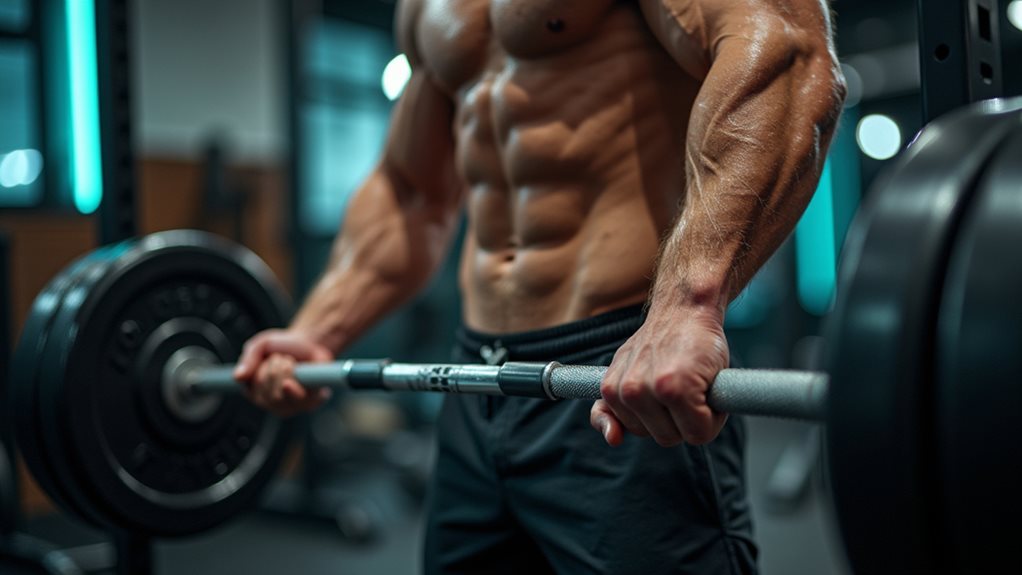
Since endurance training and intense workouts can increase your body’s need for iron, it’s essential to know how much you should be getting. Most adult men need about 8 mg/day, but athletes may require more, especially during heavy training.
You might benefit from:
- Including iron-rich snacks like nuts or dried fruit during the day
- Timing your supplements for better absorption, such as between meals or with vitamin C-rich foods
- Avoiding tea or coffee around supplement time to maximize absorption
Eat These Foods to Boost Your Iron Levels Naturally
Eating the right foods can help you increase your iron levels naturally, especially if you’re training hard and need to support your recovery and strength gains. Focus on dietary sources that enhance iron absorption, like heme iron from animal foods such as clams, oysters, beef, and eggs.
Plant-based options like beans, tofu, and fortified cereals are also excellent. Seeds, nuts, and dark chocolate provide compact iron boosts.
Combining plant foods with vitamin C-rich fruits like oranges or peppers improves iron absorption. Incorporating these foods into your diet guarantees you get enough iron without supplements, helping you stay strong and energized during tough training.
When and Why to Get Blood Tests Before Starting Iron Supplementation
Getting blood tests before starting iron supplements is an important step to make certain you’re treating the right problem. Blood testing helps identify if you have iron deficiency, iron overload, or other causes of anemia.
You should consider testing when symptoms like fatigue, exercise issues, or restless legs appear.
Key tests include ferritin and CBC, which show your iron stores and red blood cell health.
Be aware that iron overload, such as hemochromatosis, can be harmful. Testing can prevent unnecessary supplements and guarantee proper treatment.
Regular blood testing for heavy exercisers or those with unexplained deficiencies is vital to stay safe and healthy.
Frequently Asked Questions
Can Iron Supplements Improve Muscle Mass in Men Without Deficiency?
Iron supplements don’t directly enhance muscle mass in men without deficiency. If you’re iron deficient, they can improve muscle recovery and performance. Otherwise, maintaining a balanced diet supports your training goals without unnecessary supplementation.
Are There Natural Ways to Enhance Iron Absorption Besides Diet?
You can enhance iron absorption naturally by using remedies like vitamin C-rich foods as absorption enhancers, avoiding tea and coffee near meals, and soaking or fermenting grains—these natural remedies help you belong to a community that prioritizes health.
What Are Common Side Effects of Iron Supplements in Active Men?
You might experience gastrointestinal issues like nausea, stomach pain, or constipation while taking iron supplements. Be cautious of iron overdose risks, which can cause serious health problems, and always follow your healthcare provider’s guidance to stay safe and healthy.
How Do Altitude and Endurance Training Affect Iron Needs?
Altitude effects and endurance demands increase your iron needs because hypoxia enhances erythropoiesis, and heavy training raises iron loss. To stay strong and perform, you should proactively monitor and supplement iron based on your altitude and training intensity.
Is It Safe to Take Iron Supplements Long-Term Without Medical Supervision?
You shouldn’t take iron supplements long-term without medical supervision because iron toxicity can occur, risking organ damage, and supplement interactions may worsen side effects. Always get personalized advice to avoid harm and stay safe.
Final Rep
If you’re training hard and feeling tired, getting enough iron is essential. Focus on eating iron-rich foods like red meat, beans, and spinach first. If your levels are low, consider taking a supplement, but only after checking with a doctor. The right form of iron and proper dosage matter. Stay consistent and monitor your levels. Iron can enhance your energy and help you build muscle, but don’t ignore the importance of professional advice.
References
Sources
The information in this guide is based on the following sources:
- NIH Office of Dietary Supplements: Iron fact sheet
- International Society of Sports Nutrition position stand: protein and exercise (2017)
- International Society of Sports Nutrition position stand: diets and body composition (2017)
Disclaimer: The information on this page is for educational purposes only and is not medical advice. Supplements are not a substitute for professional medical care. Always consult a qualified healthcare professional before starting any supplement, particularly if you have a health condition, take medication, or are under 18. Read our full medical disclaimer.

The EctoBulk Research Team is the editorial unit behind EctoBulk’s mass gainer, whey protein and supplement guides for skinny guys, hardgainers and ectomorphs. Every article is researched, cross-checked and reviewed before publication, with an emphasis on honest evidence over hype