Fenugreek does not enhance appetite; instead, it helps control hunger by making you feel fuller for longer. Its high fiber content slows digestion and triggers hormones like CCK and GLP-1, signaling fullness rather than hunger. As a result, it’s unlikely to increase your appetite or cause weight gain. If you want to understand how fenugreek might support your body compositional goals or want safe usage tips, keep exploring for more detailed perspectives.
The Bottom Line
- Fenugreek tends to suppress appetite rather than increase it, promoting satiety in most cases.
- Its high fiber content slows digestion, signaling fullness and reducing hunger cues.
- Limited evidence suggests fenugreek does not directly stimulate appetite in skinny guys.
- The primary effect is appetite regulation through hormone influence, not stimulation.
- For weight gain, focus on proper nutrition and strength training rather than relying on fenugreek.
Does Fenugreek Increase Your Appetite?
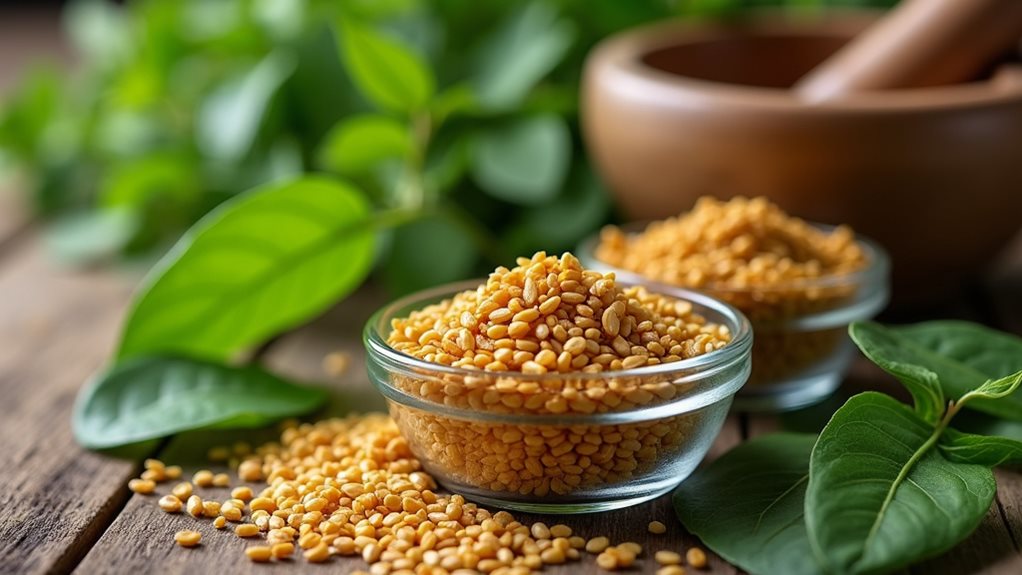
Many people hope that fenugreek will help them eat more and gain weight, but the evidence doesn’t support this idea. In fact, research suggests fenugreek may reduce appetite instead of increasing it.
If you’re looking to enhance your hunger, adding fenugreek mightn’t be the best choice. Instead, focus on flavor pairing and cooking tips that make calorie-dense foods more appealing.
Using fenugreek in dishes like curries or stews can enhance flavor without necessarily making you eat more. Additionally, some studies indicate that fenugreek may influence appetite regulation, so it’s not a reliable method for increasing calorie intake.
Understanding how appetite control works can help you make better dietary choices for weight gain.
What Does Research Say About Fenugreek and Hunger?
Research on fenugreek and hunger shows that, overall, it tends to reduce feelings of hunger rather than increase them. Studies suggest that alternative herbal supplements like fenugreek influence appetite hormone levels, often leading to greater satiety and fullness. Limited human research indicates that fenugreek may support weight loss by reducing appetite, increasing fullness, and lowering calorie intake. For example, fiber-rich preparations of fenugreek, such as tea or flakes, consistently decrease subjective hunger and reduce the desire to eat. While some doses produce stronger effects, most research indicates fenugreek’s primary role is appetite suppression, not stimulation. Additionally, understanding how hormonal regulation affects hunger can help clarify fenugreek’s impact. If you’re looking to enhance your appetite, fenugreek may not be the best choice. Instead, it appears more suited for those wanting to manage or curb their hunger naturally. Other factors like fiber content also play a significant role in how fenugreek influences satiety.
How Does Fenugreek Promote Fullness Instead of Hunger?
Fenugreek promotes fullness mainly by signaling your body that you’re satisfied, rather than telling you to eat more. Its high fiber content slows down digestion and gastric emptying, which helps you feel full longer and supports digestive health. Additionally, fenugreek may influence hormonal regulation by affecting hormones like CCK and GLP-1, which help signal meal termination and promote post-meal satiety. This combination of fiber and hormone effects makes fenugreek effective at promoting feelings of fullness. The way fenugreek impacts digestive processes can also help prevent bloating and discomfort that sometimes accompany increased fiber intake. Research also suggests that fenugreek’s impact on digestion and hormone levels can contribute to overall appetite regulation, making it a useful supplement for those looking to control hunger.
Can Fenugreek Help You Gain Weight as a Skinny Guy?
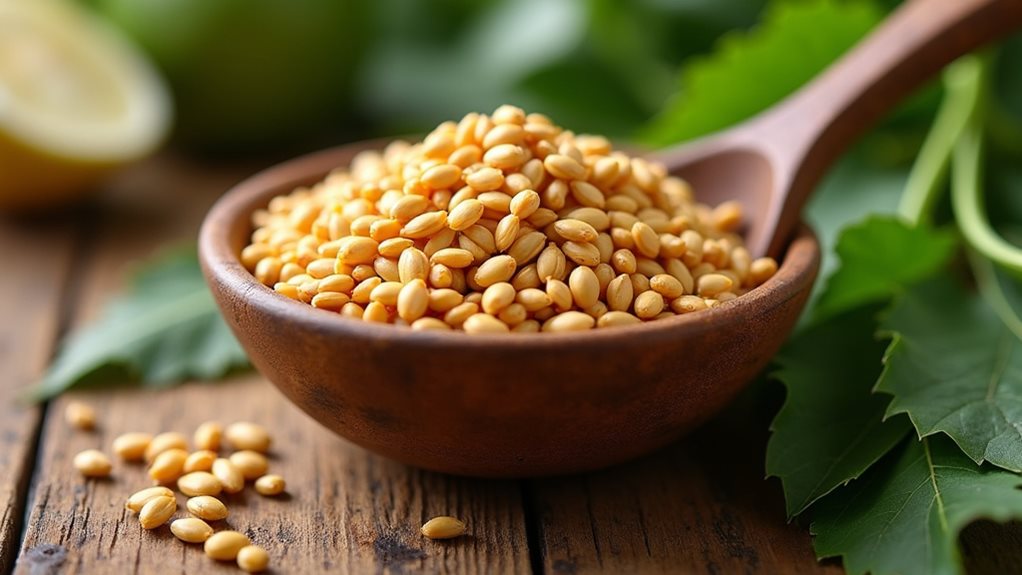
While fenugreek is often linked to appetite changes, its ability to help you gain weight as a skinny guy isn’t well-supported by strong evidence. Its metabolic influence and hormonal interactions may impact body composition more than actual weight gain. Additionally, some research suggests that fenugreek may have creatine loading benefits for muscle strength, but this does not necessarily translate to increased weight.
Some studies suggest fenugreek can improve lean muscle mass and reduce body fat, indicating it might help with muscle growth rather than adding overall weight. However, these effects are indirect and not proven to cause consistent weight gain.
If you’re looking to bulk up, focusing on proper nutrition and strength training is more effective. Fenugreek alone isn’t a reliable way to increase your weight. Incorporating metabolic effects into your approach can also influence your overall progress.
How Does Fenugreek’s Fiber Content Affect Your Appetite?
Fenugreek’s fiber content plays a significant role in how it affects your appetite. The key is its fiber viscosity, a type of soluble fiber that slows digestion and helps you feel full longer. This activates satiety mechanisms, making you more aware of fullness and reducing hunger.
Research shows that higher fiber viscosity from fenugreek produces stronger effects on fullness, even if it doesn’t always lower food intake immediately. So, while fenugreek fiber may not make you eat less every time, it consistently helps you feel more satisfied after meals.
This can support your goal of gaining weight by promoting healthy hunger cues.
Are There Side Effects or Risks of Using Fenugreek?
Using fenugreek can come with some side effects and risks that you should be aware of. First, digestive issues like diarrhea, stomach upset, and gas are common but usually mild.
Second, it can lower blood sugar too much, risking hypoglycemia, especially if you’re on blood sugar medicines.
Third, allergic reactions such as wheezing or skin reactions are possible, particularly if you’re allergic to legumes.
Fourth, medication interactions matter—fenugreek can affect blood clotting and thyroid hormones.
It’s also not safe during pregnancy at high doses, as it may pose birth-defect risks.
Always consult your healthcare provider to verify safe use.
How Can You Use Fenugreek to Support Weight Gain?
To support weight gain with fenugreek, you need to understand how it can affect your appetite and digestion.
Using the right dosage and preparation methods can help you include it consistently in your meals.
Potential Appetite Effects
Although many people hope fenugreek can help increase appetite, current research suggests otherwise. Most studies show it reduces hunger and promotes fullness rather than enhancing appetite.
If you’re considering using fenugreek for weight gain, keep these points in mind:
- Its fiber content may help with flavor enhancement and traditional uses like digestion.
- It’s more effective for satiety than for stimulating hunger.
- Appetite suppression is common, making eating more difficult for those trying to gain weight.
- Research doesn’t support fenugreek as a reliable appetite stimulant for underweight individuals.
Use it carefully and realistically.
Optimal Dosage Strategies
Finding the right amount of fenugreek to support weight gain can be tricky because research shows doses vary widely.
For practical use, start with about 5 to 10 grams of seed powder daily, or 500 mg to 900 mg of extract.
You can add fenugreek to meals for taste enhancement and culinary uses, making it easier to include regularly.
Take it with meals to help improve appetite and support consistent use.
Gradually increase your dose if tolerated, and stick with it for several weeks to see results.
Side Effect Management
Using fenugreek to support weight gain requires careful attention to potential side effects. First, watch for herbal interactions, especially if you’re taking medications like blood thinners or diabetes drugs.
Second, stick to dosage considerations—avoiding large doses helps prevent issues like blood sugar drops or gastrointestinal discomfort.
Third, monitor for allergic reactions such as swelling or difficulty breathing, which can be serious.
Fourth, start with small amounts, especially if using supplements, to see how your body responds.
Keeping these points in mind helps you manage side effects safely while using fenugreek for your goals. Always consult with a healthcare professional before starting.
Frequently Asked Questions
Can Fenugreek Improve Muscle Growth or Workout Performance?
Fenugreek doesn’t reliably enhance muscle enhancement or workout benefits. While some claim hormonal effects, current evidence shows it mainly supports satiety, not muscle growth. Focus on proper nutrition, training, and rest for ideal workout results.
Does Fenugreek Interact With Medications for Diabetes or Blood Sugar?
Fenugreek interacts with diabetes medications by enhancing blood sugar lowering, so you should prioritize herbal interactions and medication safety. Always monitor your blood sugar closely and consult your healthcare provider before combining fenugreek with your prescribed treatments.
Are There Specific Doses of Fenugreek Recommended for Appetite Effects?
For appetite stimulation, fenugreek dosage varies, but doses around 4 to 8 grams of fiber-rich preparations taken before meals may help increase fullness. Remember, individual responses differ, so start with lower doses and listen to your body.
Can Fenugreek Be Safely Used Long-Term for Weight Gain?
You can’t confidently use fenugreek long-term for weight gain, as alternative herbal remedies lack clear evidence on long-term health effects. Stick to safe, proven methods while consulting a healthcare professional to guarantee your health and goals stay on track.
How Does Fenugreek Compare to Other Appetite-Stimulating Herbs?
You’ll find fenugreek differs from other appetite-stimulating herbs, as it promotes satiety through herbal cooperation, aiding appetite regulation. Unlike true stimulants, it helps you feel fuller, supporting your weight goals naturally and comfortably within a community focused on balanced health.
Final Rep
Fenugreek can help you increase your appetite and support weight gain, especially if you’re naturally skinny. Its fiber content promotes fullness, but it may also stimulate hunger in some cases. Be aware of potential side effects like upset stomach. Use fenugreek responsibly by adding it to your meals or supplements. Stay consistent and monitor how your body responds. With proper use, fenugreek can be a helpful tool in your weight gain plan, but always consult a professional first.
References
- https://www.healthline.com/nutrition/fenugreek-for-weight-loss
- https://www.medicalnewstoday.com/articles/324334
Sources
The information in this guide is based on the following sources:
-
https://pubmed.ncbi.nlm.nih.gov/19353539/
- NIH National Center for Complementary and Integrative Health: Fenugreek
- International Society of Sports Nutrition position stand: diets and body composition (2017)
- World Health Organization: Healthy diet
https://pmc.ncbi.nlm.nih.gov/articles/PMC4525133/
Disclaimer: The information on this page is for educational purposes only and is not medical advice. Supplements are not a substitute for professional medical care. Always consult a qualified healthcare professional before starting any supplement, particularly if you have a health condition, take medication, or are under 18. Read our full medical disclaimer.

The EctoBulk Research Team is the editorial unit behind EctoBulk’s mass gainer, whey protein and supplement guides for skinny guys, hardgainers and ectomorphs. Every article is researched, cross-checked and reviewed before publication, with an emphasis on honest evidence over hype